
Dry Needling
What is dry needling?
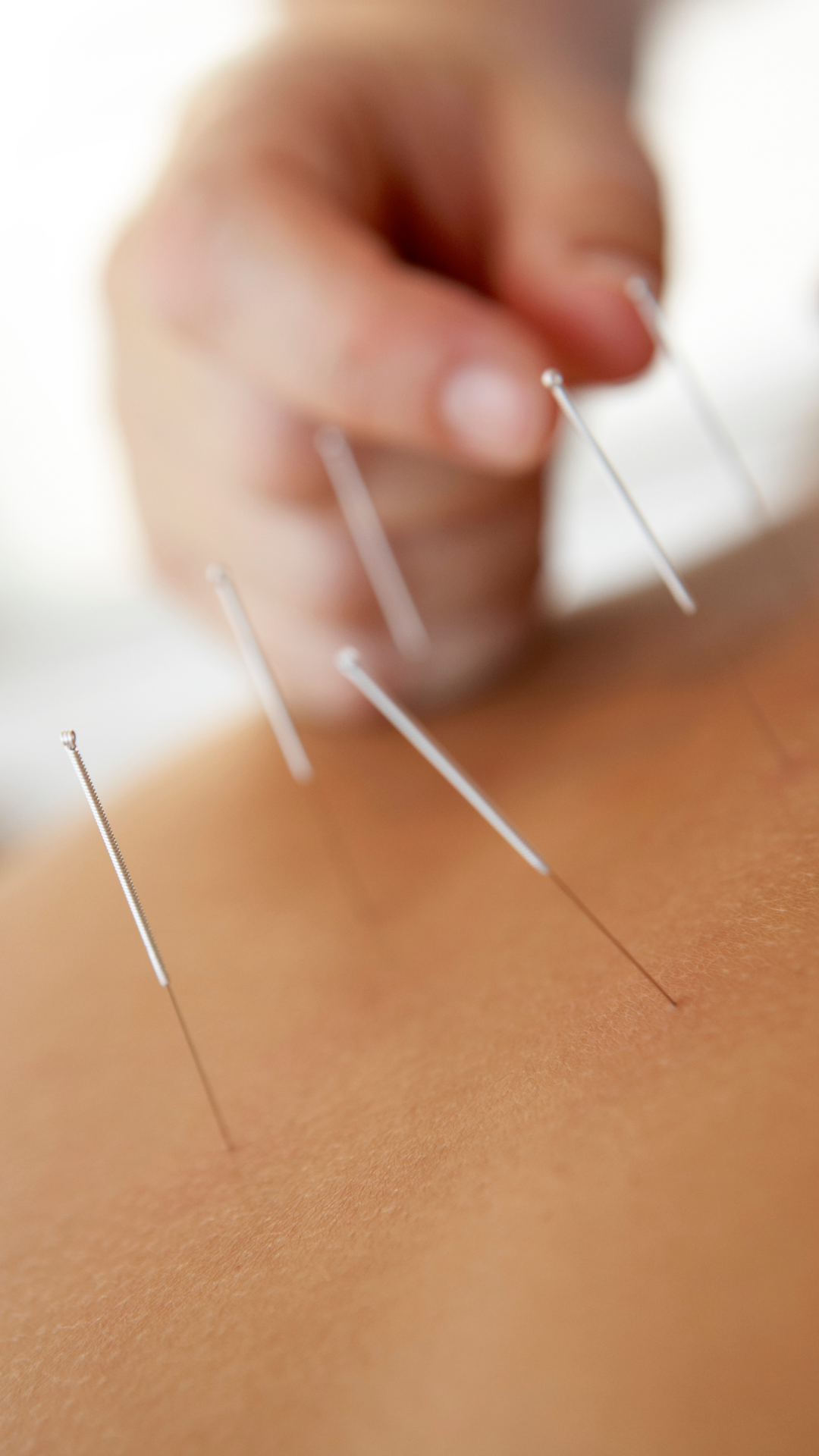
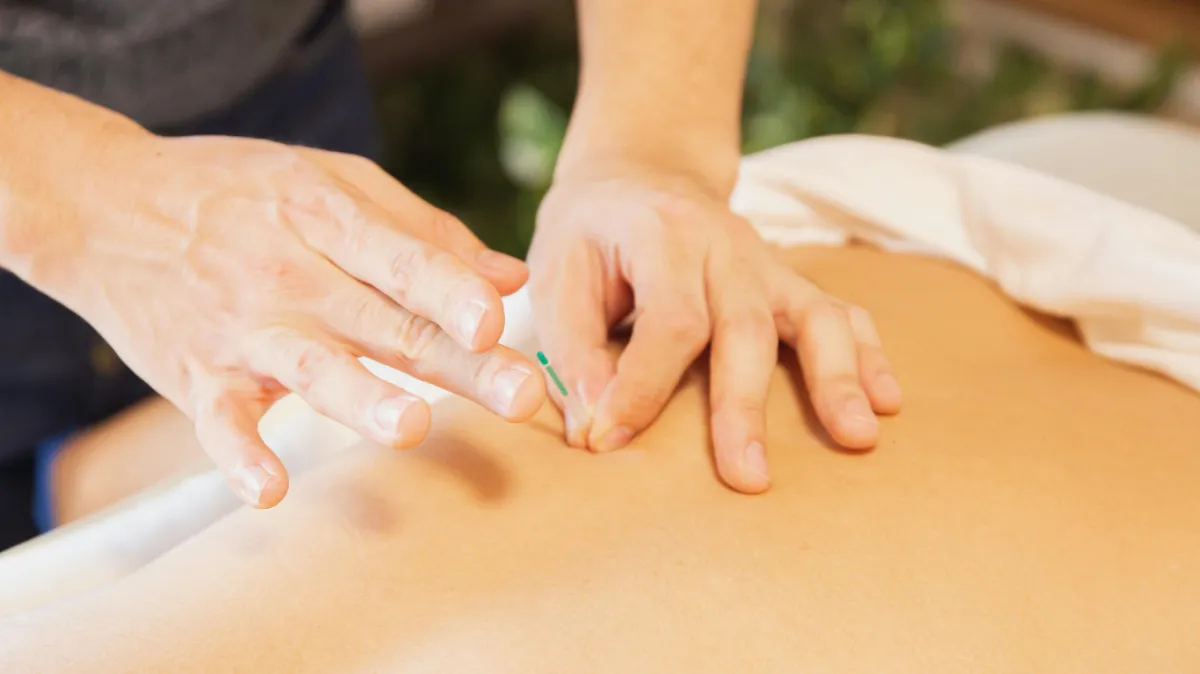
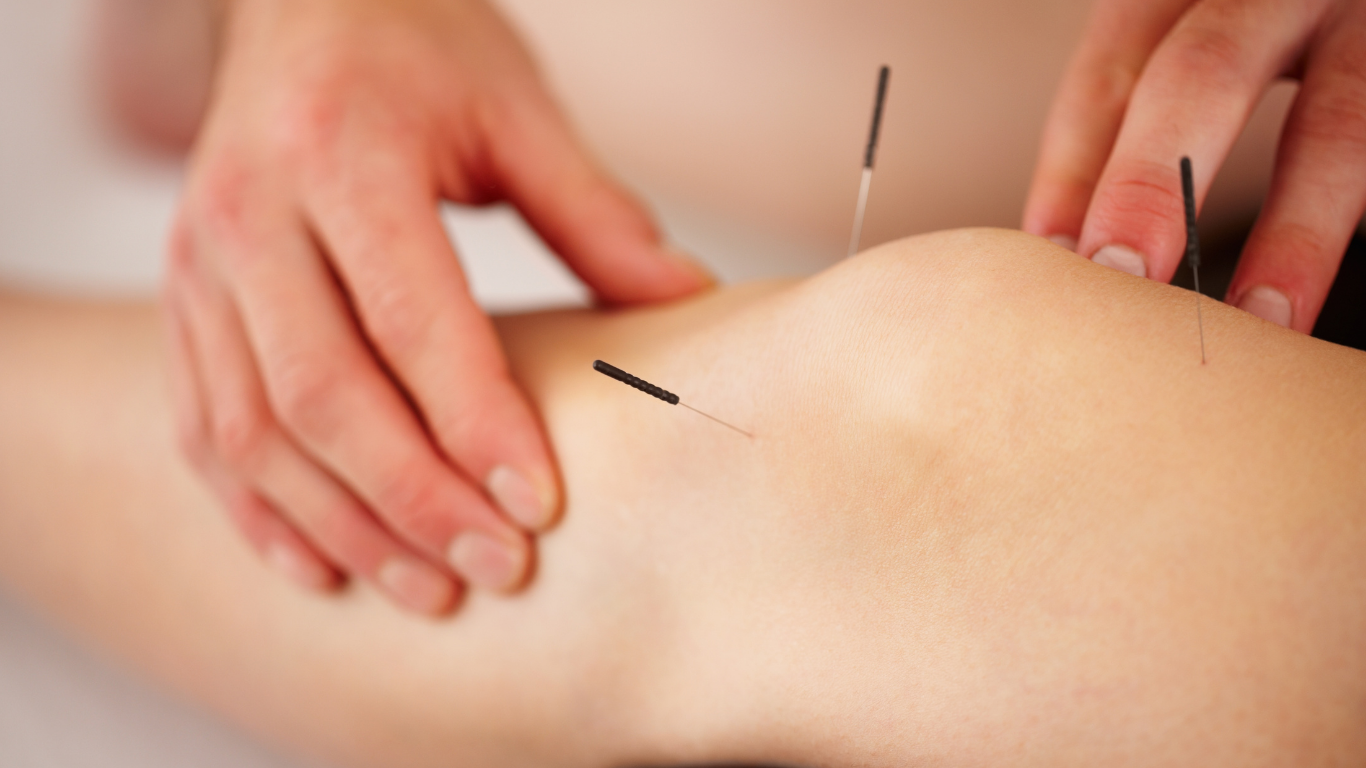
Dry needling is a technique that uses fine, sterile, single-use needles inserted into tight muscles and trigger points-the knotted, sensitive spots that can build up in overworked or strained muscle. The ''dry'' simply means nothing is injected: the needle itself does the work. It's used to release those trigger points, ease tension and calm pain, helping your muscles let go and move more freely.
How does it work?
Placing a needle into a trigger point prompts the muscle to respond and reset. it works by:
Encouraging tight muscle fibres and trigger points to release
Increasing blood flow to the area to support healing
Calming the local nerve signals that drive pain
Prompting the body's natural pain-relieving response
What are the benefits?
Releases tension and eases muscle tightness
Improves range of motion and movement
Reduces pain and stiffness
Supports faster recovery
A quick, targeted way to reach deep muscle that's hard to treat by hand alone
Helps break long-standing patterns of muscle tension
What can it help with?
Dry needling can be useful for a range of muscle and movement-related issues, including:
Muscle tightness and stubborn knots
Neck, shoulder and back pain
Sports injuries and overuse strains
Tendon-related pain (such as tennis elbow)
Restricted movement caused by tight muscle
What does it feel like, and what to expect afterwards?
Most people feel a brief ache or a small muscle twitch as the needle goes in-this is normal and settles quickly. Afterwards you may notice:
Minor bruising or tenderness at the needle site
A little tiredness or mild soreness for a day or so
This all passes on it's own. To help, it's worth staying hydrated and easing off intense exercise for the rest of the day.
Is it safe?
Yes- in trained hands, dry needling is a safe and well-established technique, using sterile, single-use needles every time. We'll always explain what's involved and only go ahead with you agreement. Please tell us beforehand if you're pregnant, take blood-thinning medication, have a bleeding disorder, a needle phobia, or any condition that affects healing, as it may not be suitable for you.
Dry needling isn't acupuncture
Although both use fine needles, they're different. Acupuncture comes from traditional Chinese medicine and works along energy points: dry needling is a modern, Western technique based on anatomy and muscle function, targeting specific trigger points to relieve pain and tension.
We use needling within your treatment wherever it's the right fit for you-never as a one-size-fits-all, always tailored to you and what your body needs.
COMPANY
CONTACT
LEGAL
FOLLOW US


Copyright 2024. Great Britain and Northern Ireland, Speeding Health. All Rights Reserved.